Application of phytic acid in corrosion resistance of copper, aluminum, steel and their alloys
foreword
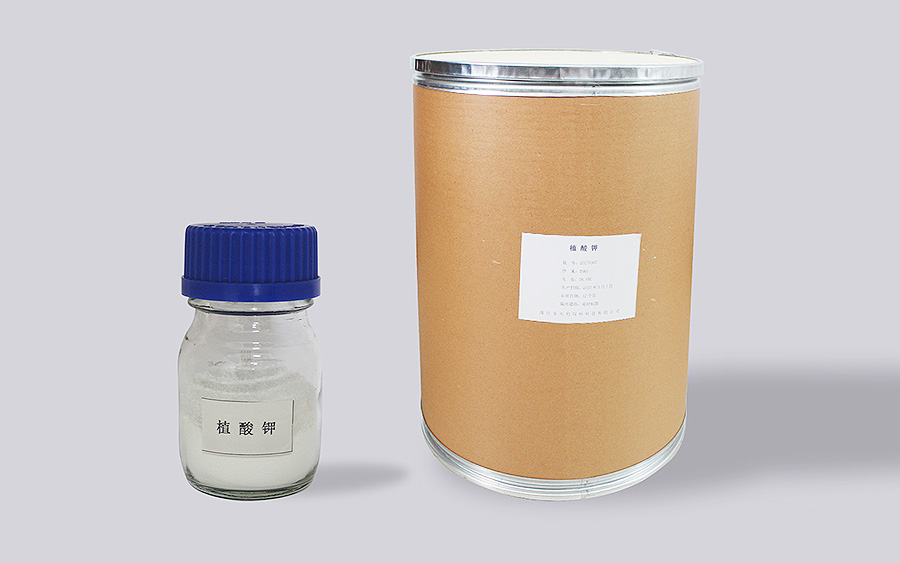
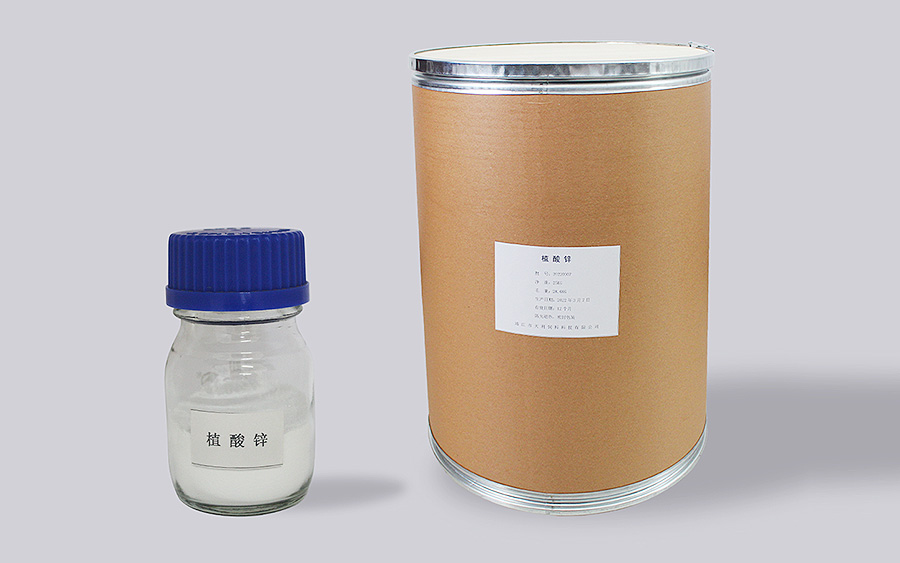
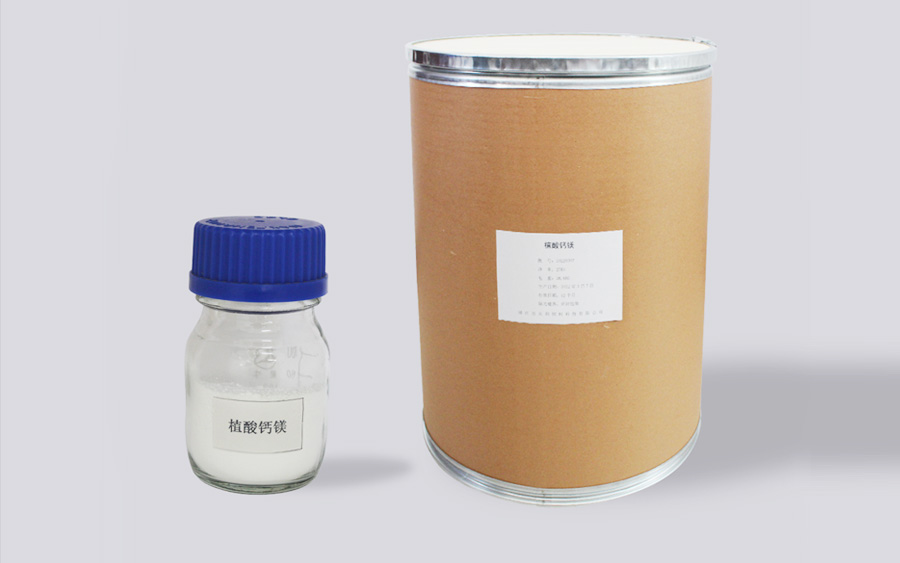
Materials such as copper, aluminum, steel, and their alloys oxidize shortly before surface passivation treatment, darkening their color and affecting their performance. The surface of metal materials treated with existing surface treatment agents is still not aesthetically pleasing. To study the corrosion inhibitors for materials such as copper, aluminum, steel, and their alloys, a uniform and dense protective film is applied after immersion and washing. Exposing the metal to the air makes it less prone to chemical and electrochemical corrosion, greatly enhancing its working characteristics. The general method for rust prevention between processes or in inventory is phosphating treatment, followed by chromic acid passivation or immersion in rust proof oil to achieve the purpose of rust prevention. Both of these post-treatment methods cause pollution and harm to the human environment. Through experimental exploration, the use of phytic acid and phytate salts for treatment can also achieve the above objectives.
Experimental methods
The materials used in this experiment are copper blocks, aluminum blocks, steel blocks, and their alloys. They are cut into 9.5 × 2.8 × 0.3cm3 sheet-like specimens, with one end drilled. Before the experiment, the copper blocks are pre ground with fine sandpaper, while the aluminum and steel blocks are treated according to conventional methods. They are rinsed clean with tap water and placed in the treatment solution for further processing. The specific method is described in the instructions for use.
consist of
This experiment consists of two parts, A and B
Preparation and usage method:
Solution A: Mix all components thoroughly, add deionized water to 600ml, heat to 70-80 ℃, and treat copper, aluminum, steel, and their alloys. The copper block is pre ground and immersed in the treatment solution for 3-5 minutes for washing, then removed and washed. Aluminum and steel blocks shall not be immersed in the treatment solution for more than 30 seconds, and shall be removed and rinsed clean with tap water.
Solution B: Add benzotriazole, triethanolamine, and tartaric acid to 100ml of deionized water and heat to dissolve at around 60 ℃. Then add other salt substances and mix thoroughly. Add deionized water to 650ml and cool to room temperature. Soak the copper, aluminum, steel, and their alloys treated with solution A in solution B at room temperature for 10-15 seconds, then remove and wash them before exposing them to the air.
Experimental evidence shows that:
The most suitable temperature for this experiment is 70-80 ℃. Both high and low temperatures affect the quality, and the most suitable processing time is 3-5 minutes.
2. The treated metal surface is covered with a thin protective film, which has a distinct metallic luster and remains as shiny as before after long-term storage.
3. This corrosion inhibitor does not cause any pollution to the environment.